
 Skip to content
Peace of Mind, Built In: Our Tenant Protection plan offers comprehensive coverage for everything stored in your unit — simpler, faster, and more straightforward than filing a traditional insurance claim.
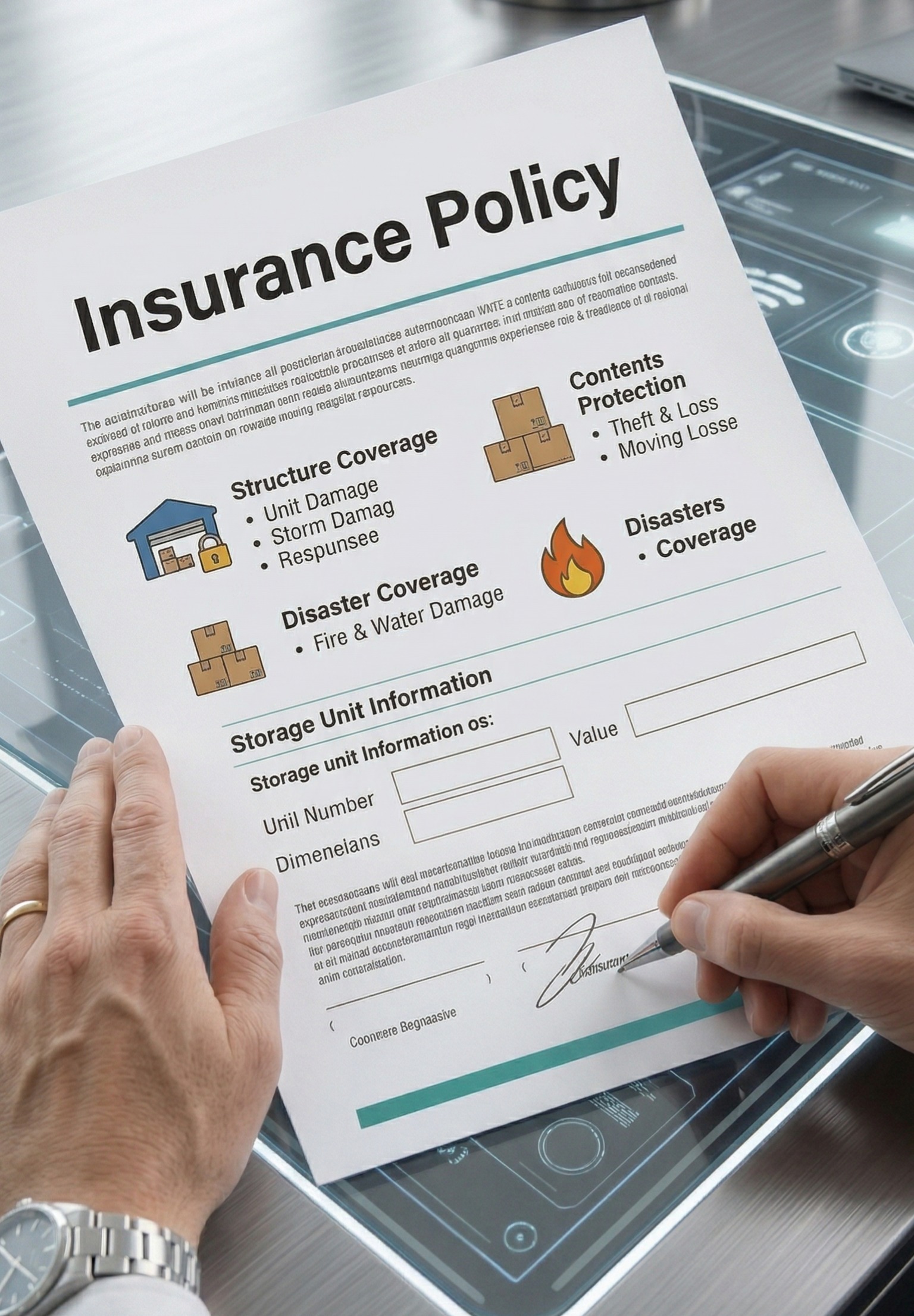
It’s always a good practice to photograph your belongings when you first move in, so you have a clear record of their condition. If your unit or the property shows signs of damage, take photos of the unit exterior, the lock area, and any damage to the building itself before touching anything. Still unsure of your next step? Call our tenant protection claims line at (833) 682-8879.
File a police report immediately. Take photos clearly showing signs of forced entry before anything is moved.
Determine the source: did water enter from outside (rain/flood), or did it come through the roof or walls? Take photos showing where the water entered and all affected items.
Document all affected items with photos before any cleanup. Note when you first noticed the damage — date and approximate time.
Take photos of the exterior of your unit and any structural damage to the roof or walls. Note the date of the weather event and retain any related news reports or weather alerts if available.
Personal storage units offer the flexibility to store a wide variety of items, making them ideal for many different scenarios. Whether you’re storing seasonal items, business supplies, or personal belongings, a storage unit provides a safe space to store things without cluttering your home.
Couches, chairs, tables, and other large furniture pieces.
Refrigerators, microwaves, and washing machines.
Holiday decorations, winter clothing, and sports equipment.
Office supplies, business inventory, and equipment.
Clothing, books, electronics, and personal keepsakes.
Perishable items or anything that can attract pests.
Gasoline, propane tanks, and other combustible items.
Any illegal substances or items.
Vehicles that are not in working order.
Chemicals, car batteries, and other dangerous substances.